LYMPHOEDEMA & REMEDIAL THERAPIES CLINIC
Our Services
Complementary therapies and gentle care tailored for the treatment of Chronic Oedema, Lymphoedema, Lipoedema and Musculoskeletal conditions.

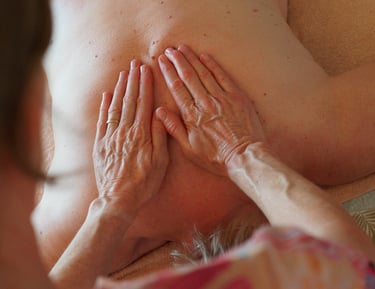
Remedial Massage
Remedial Massage techniques are a group of targeted therapeutic treatments designed to assess and treat muscles, tendons, ligaments, and connective (soft) tissues to manage pain, injury, and musculoskeletal imbalances. Following an initial assessment of the patient’s goals and their physical and bio-mechanical function, a tailored treatment plan is discussed. Techniques like massage, gentle joint mobilisation, myofascial release, cupping and stretches aim to reduce muscle spasm, increase joint mobility, reduce pain and tension, improve circulation and accelerate healing of injuries.
The level of pressure used will change with each person’s preference. We believe that your body does not respond as well to deep pressure, as it does to moderately firm to light pressure. It is the gentle but firm techniques such as release of the fascial layers and targeting specific muscle groups, mobilising stiff and inflamed joints, that provide longer lasting outcomes.
Manual Lymphatic Drainage Massage (MLD)
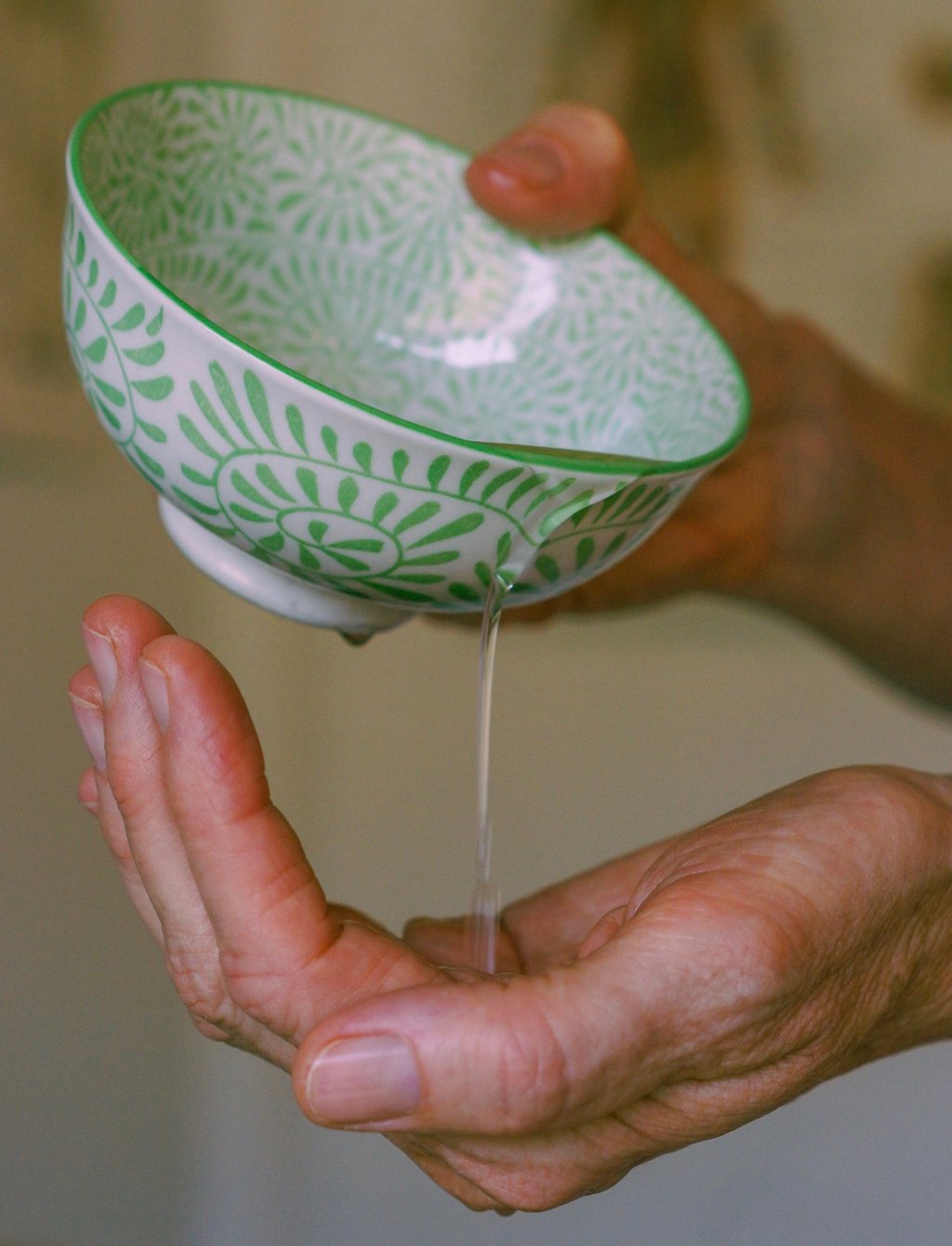
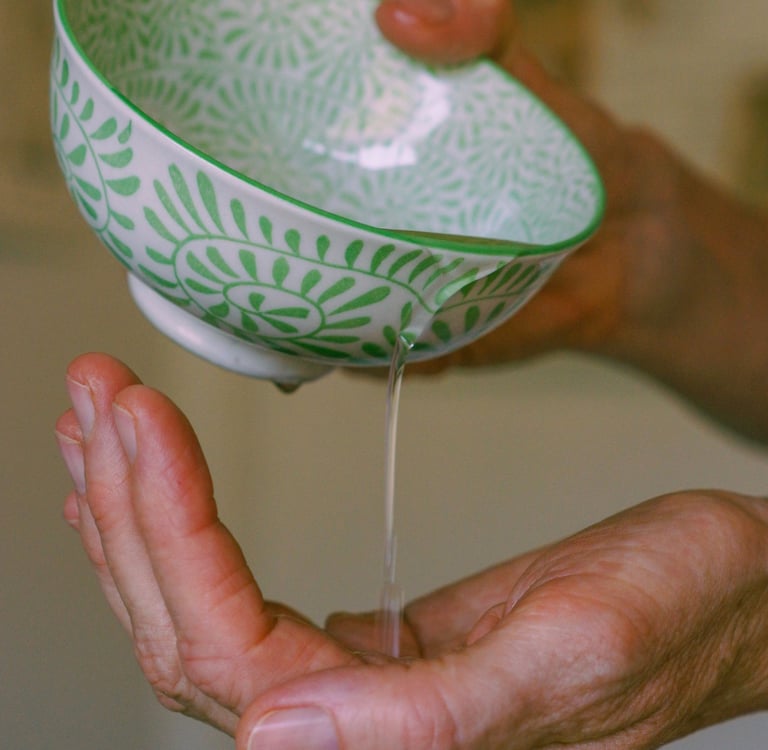
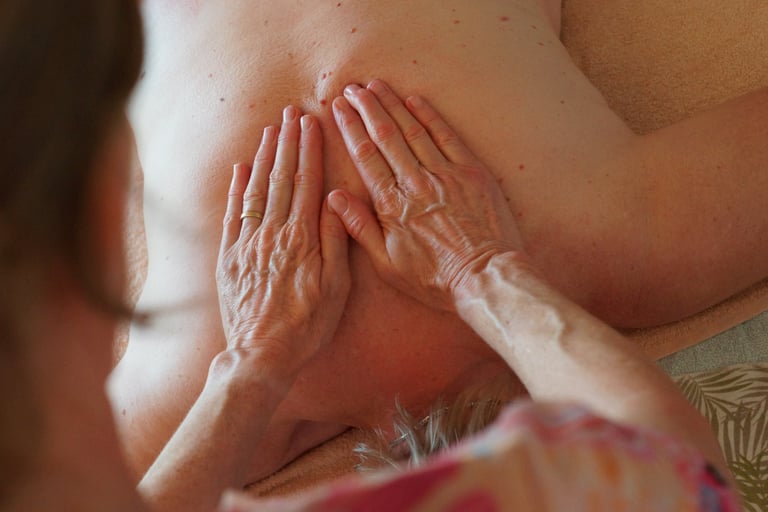
MLD for Lymphoedema, Lipoedema and chronic Oedema is a specific, therapeutic massage technique designed to improve your lymphatic health and circulation by stimulating the lymph nodes and lymphatic vessels to move lymph fluid out of areas where it is accumulating (swelling), and on to areas of the body that removes the excess.
Compression Pumps
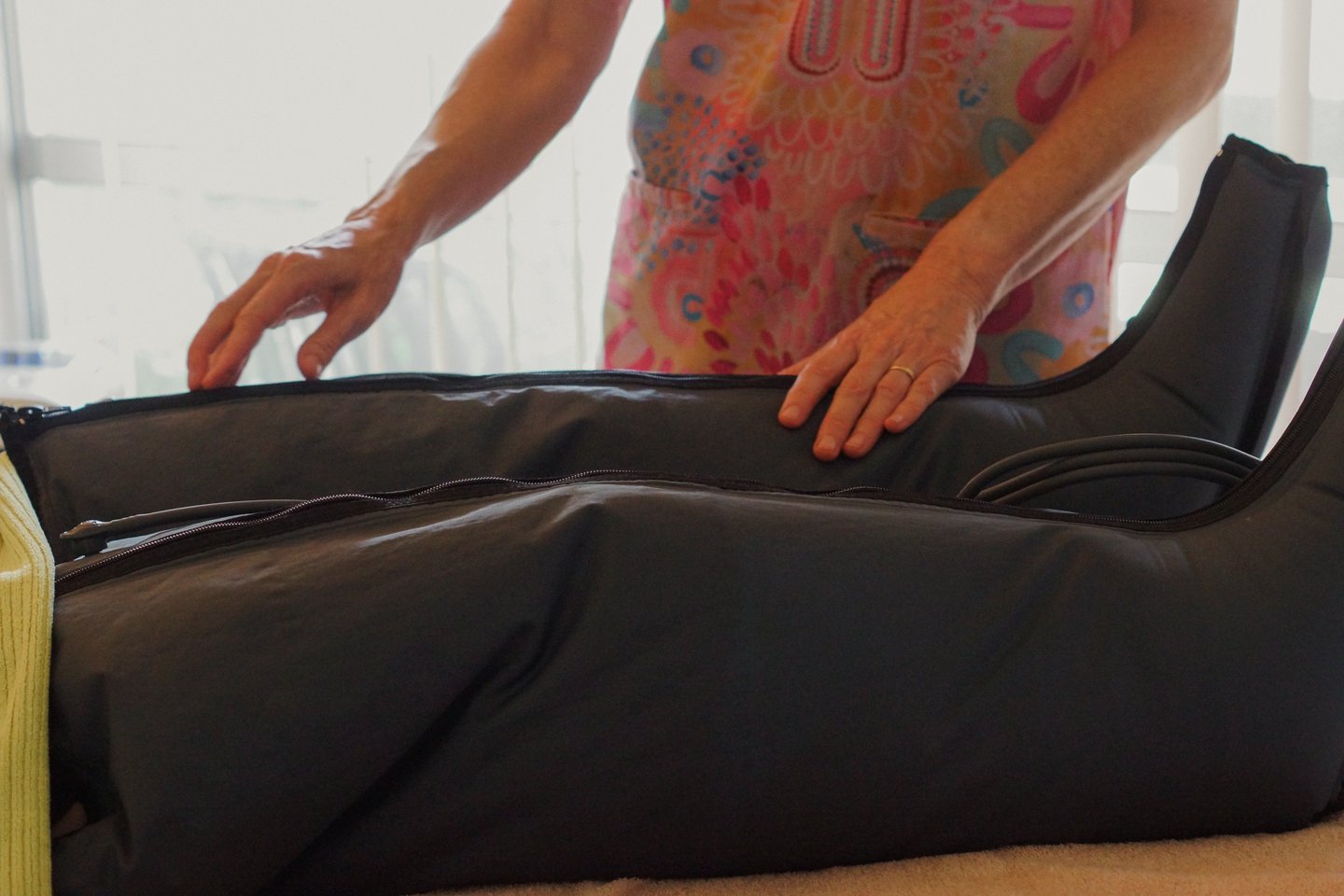
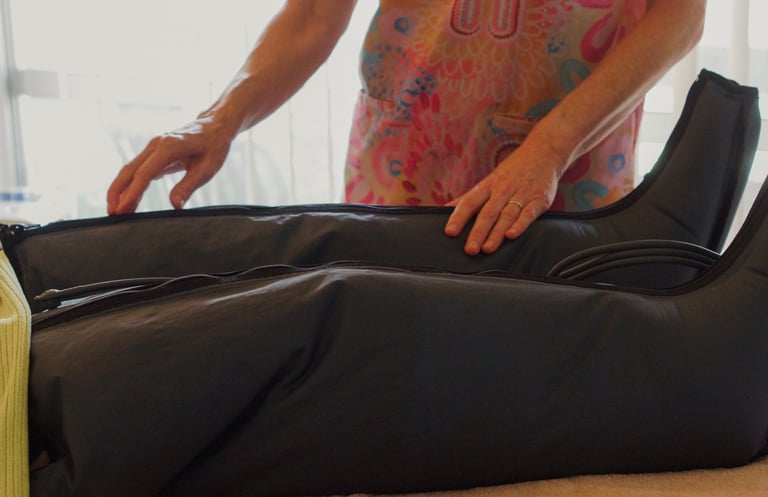
Sequential Intermittent Pneumatic Compression (SIPC) pumps are medical devices that use inflatable sleeves worn over the arm or leg. These sleeves gently fill with air and release in a controlled sequence, creating a wave-like pressure that moves up the limb.
This action helps to support the natural movement of fluid through the lymphatic and venous systems, particularly when these systems are not working efficiently.
How do SIPC pumps work?
The sleeves inflate in stages sequentially. This mimics the body’s natural flow of fluid and helps:
Encourage fluid to move out of congested areas
Support lymphatic drainage pathways
Assist venous return back toward the heart
Reduce fluid build-up in the tissues
The treatment is gentle, rhythmic, and designed to complement other therapies such as Manual Lymphatic Drainage and compression garments.
Photobiomodulation (PBM)
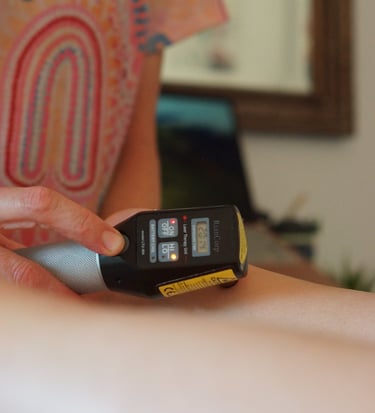
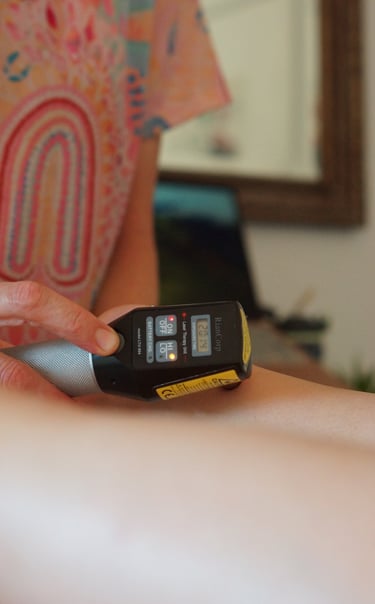
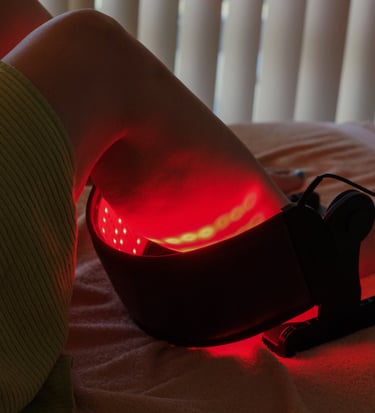
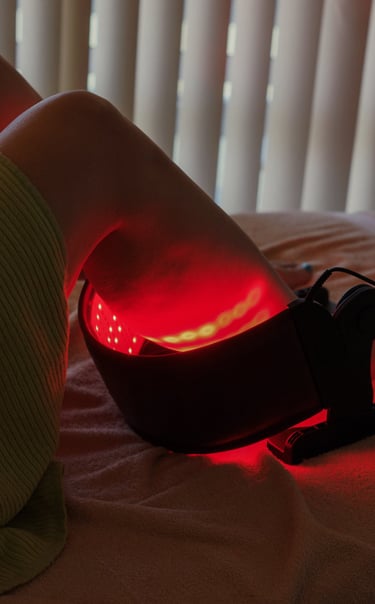
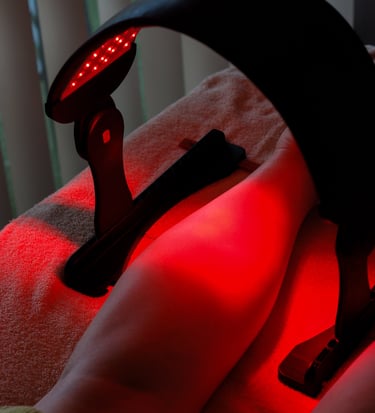
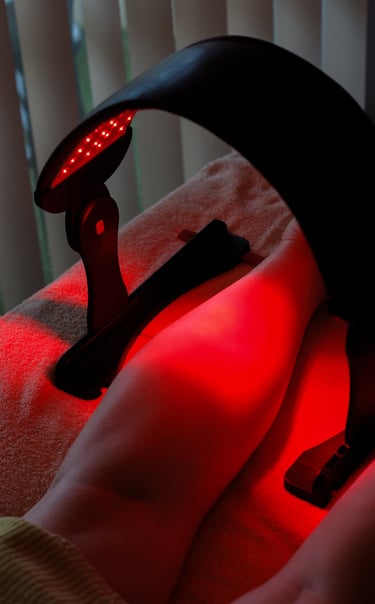
PBM is another name for light therapy. It is not new technology, but recent advancements are making this scientific equipment accessible to therapist and patients alike. Light Emitting Diodes (LEDs) come in the form of lasers and red-light devices – both have similar positive effects on body cells leading to improvements in damaged or unhealthy tissue’s. It’s been proven effective in thousands of scientific studies and hundreds of clinical trials for reducing pain, inflammation and oedema, promoting healing of wounds, deeper tissues and nerves, preventing tissue damage, and accelerating muscle recovery after exercise.
PBM uses specific wavelengths of light to stimulate cellular activity within tissues. It is a gentle, non-invasive therapy used to support tissue healing and reduce inflammation. There are no known adverse side effects.
What conditions may PBM help with?
PBM may assist with reducing pain, inflammation, tissue repair, lymphatic function, and soften areas of fibrosis and heal tissue damage.
Compression Garment Assessment - Prescription, Measurement, & Fitting
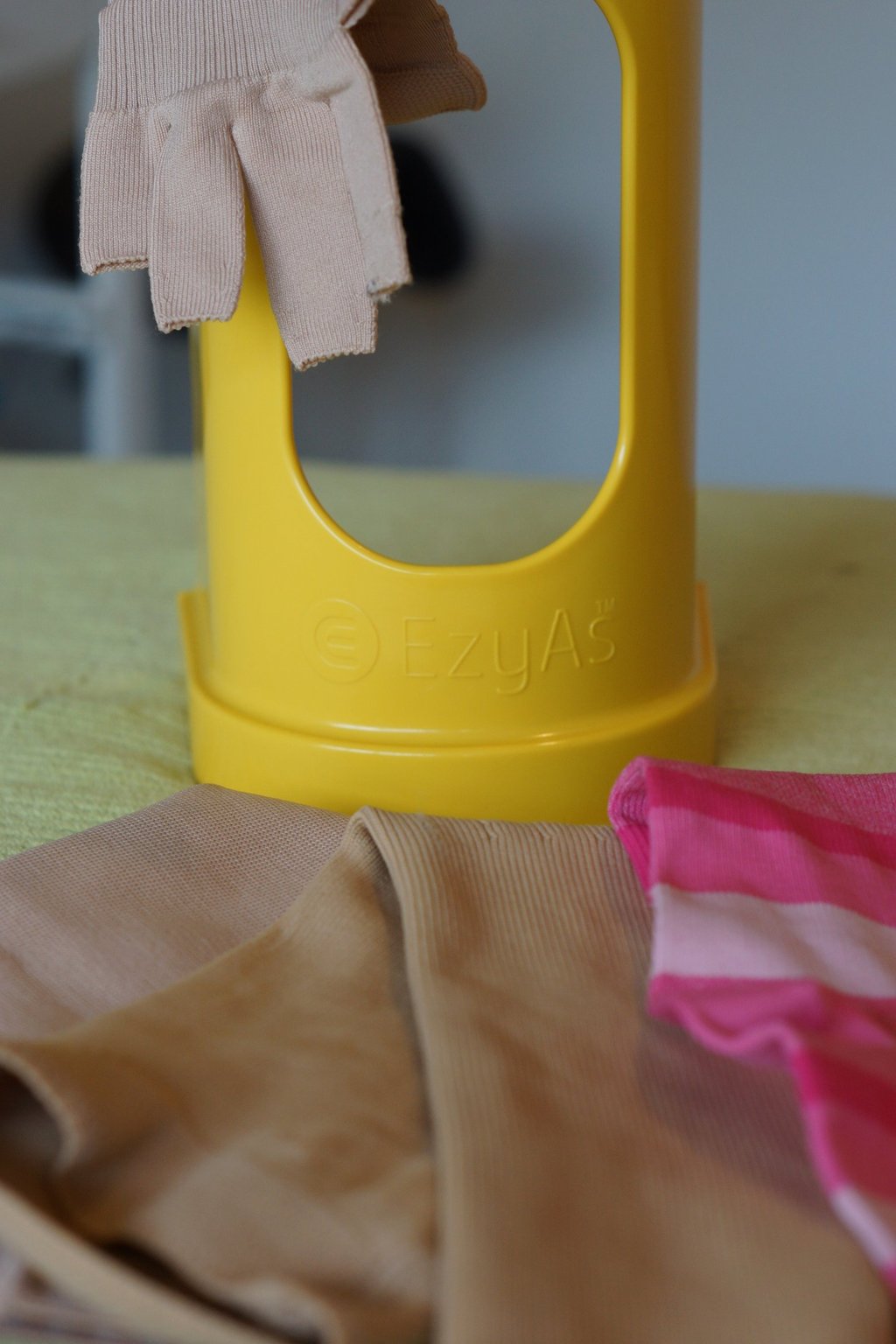
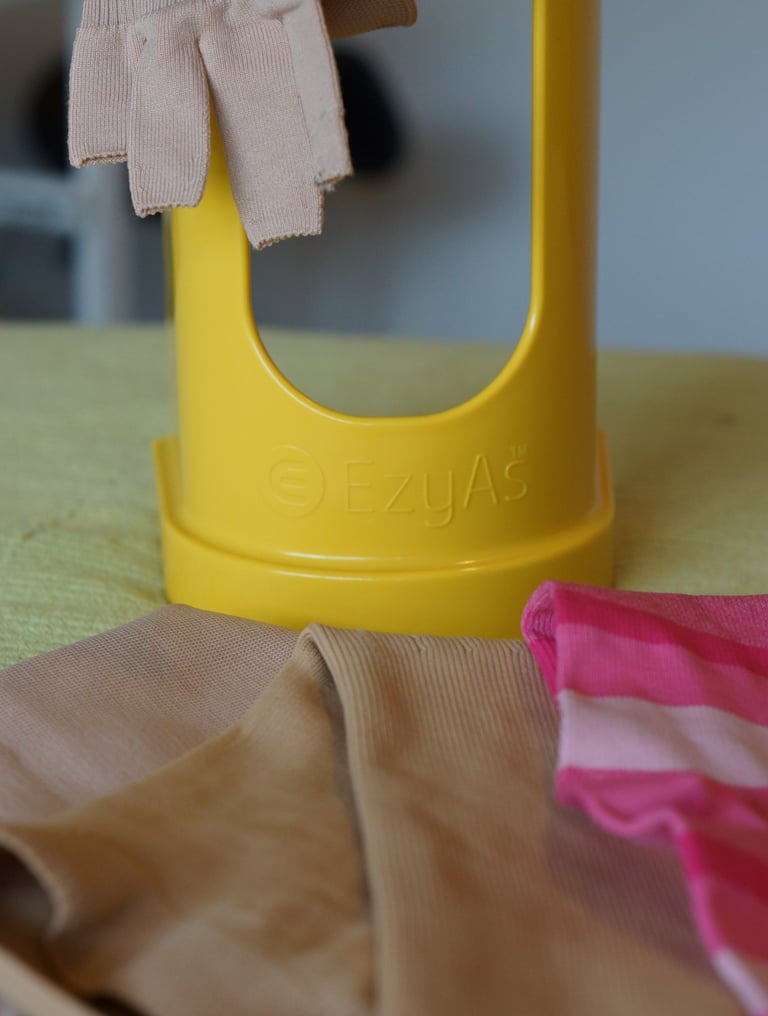
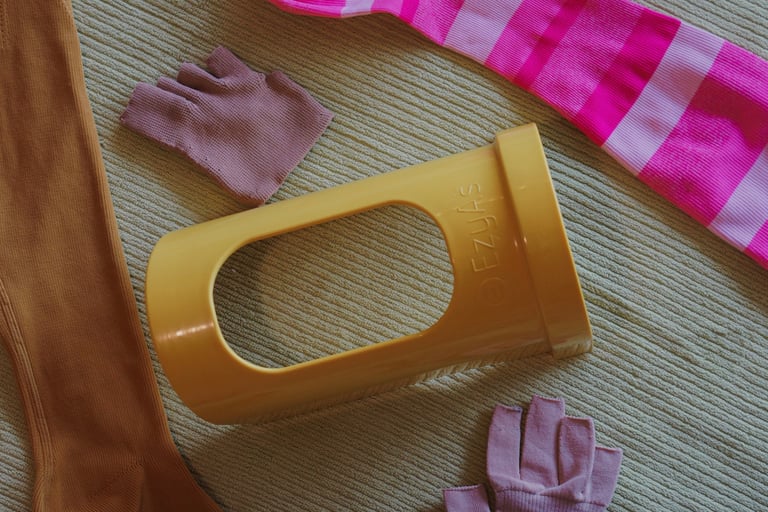
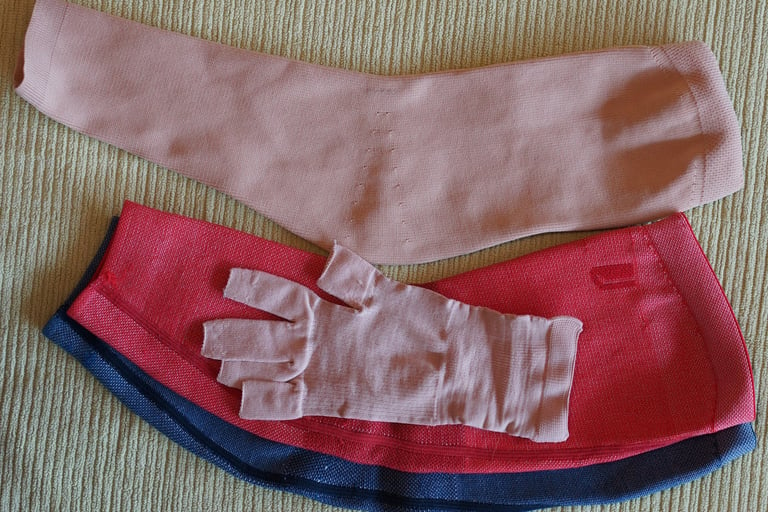
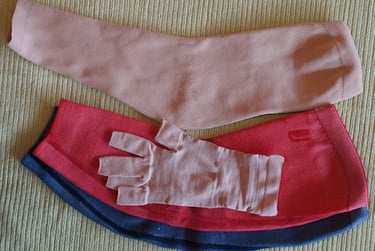
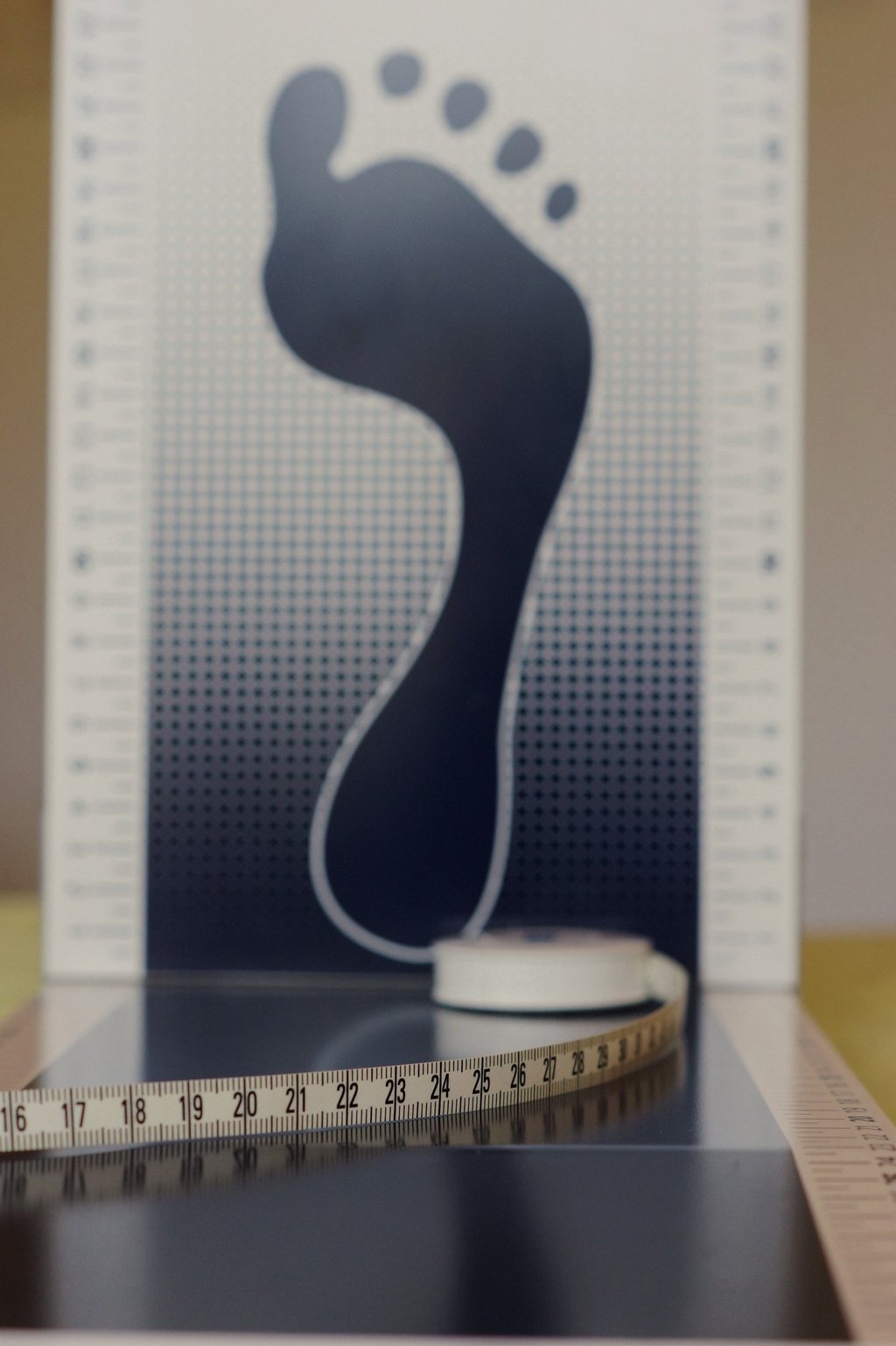
Compression garments are an essential part of managing lymphoedema, lipoedema and chronic oedema. When correctly prescribed and fitted, they help maintain treatment results, reduce swelling, improve comfort, and support long-term tissue health.
Compression therapy works by applying graduated pressure to the affected limb or body area, helping to support lymphatic and venous flow while reducing the re-accumulation of fluid in the tissues.
Because every person’s condition, body shape, tissue type and clinical needs are different, compression garments should be prescribed, measured and fitted by a qualified lymphoedema therapist.
Professional assessment ensures the garment selected provides the correct:
Compression level
Style and design
Fabric type
Limb shape compatibility
Functional comfort for wear
Ongoing Review and Garment Management
Compression needs can change over time as swelling improves or fluctuates.
Regular review helps ensure your garments continue to provide appropriate support and may include:
Re-measurement
Adjustment of compression class
Review of garment condition and replacement needs
Recommendations for alternative garment options
Why Professional Compression Fitting Matters
Proper compression prescription is a specialised clinical skill. A qualified therapist considers not only measurements, but also:
Your diagnosis
Skin integrity
Mobility
Dexterity and ability to apply garments
Lifestyle needs
Treatment goals
The right garment can make a significant difference to symptom control, comfort, independence and long-term management outcomes.
Custom-Made and Ready-to-Wear Garments
Some people achieve excellent results with ready-to-wear (off-the-shelf) garments, while others require custom-made compression garments for a more precise fit.
Custom garments are often recommended when there is:
Significant limb shape distortion
Skin folds or irregular contours
Advanced swelling
Unique sizing requirements
Difficulty achieving adequate fit with standard garments
Even when an off-the-shelf garment is suitable, professional measurement and fitting is strongly recommended to ensure the garment is effective, comfortable, and clinically appropriate.
An incorrectly fitted garment may be uncomfortable, ineffective, or potentially worsen symptoms.
Additional services
Cording Management
What is cording?
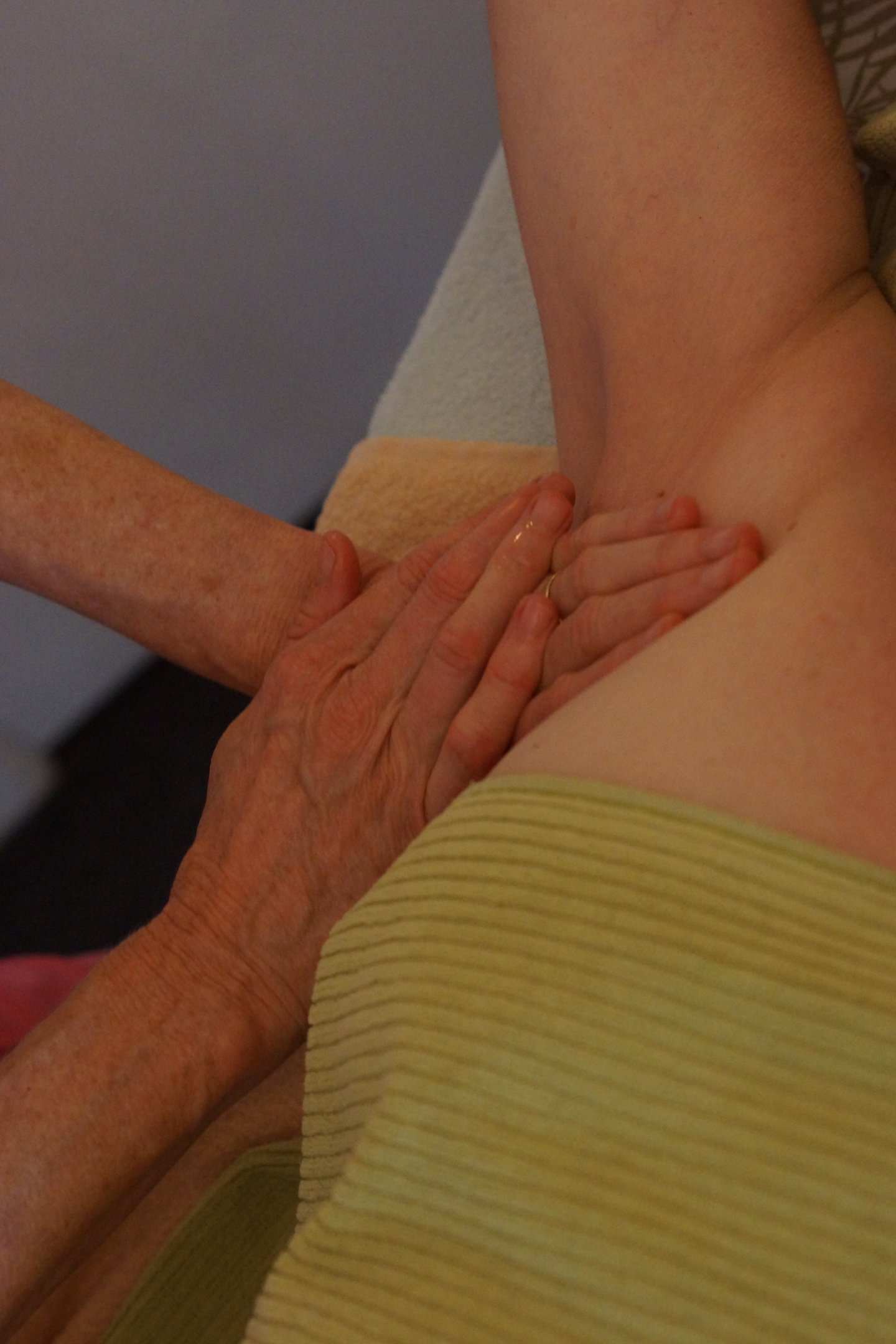
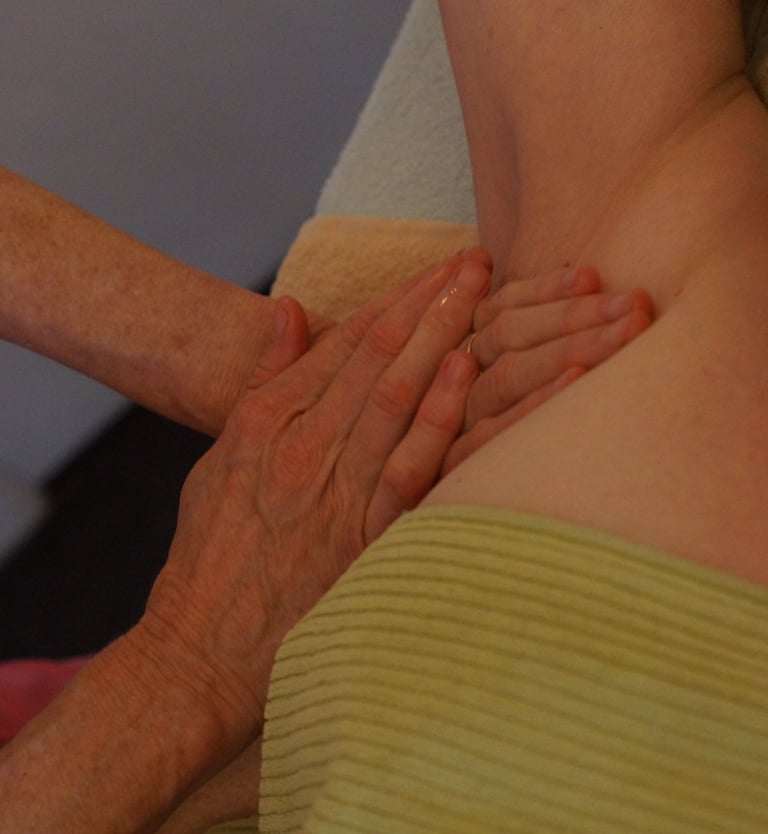
Cording (also called Axillary Web Syndrome) can occur after certain surgeries, particularly breast surgery or lymph node removal. It appears as tight, cord-like bands under the skin in the armpit and may restrict movement of the arm.
How is cording treated?
Treatment may include gentle manual therapy, stretching techniques, PBM therapy and specific exercises to help release the cords and restore comfortable movement.
Compression Bandaging
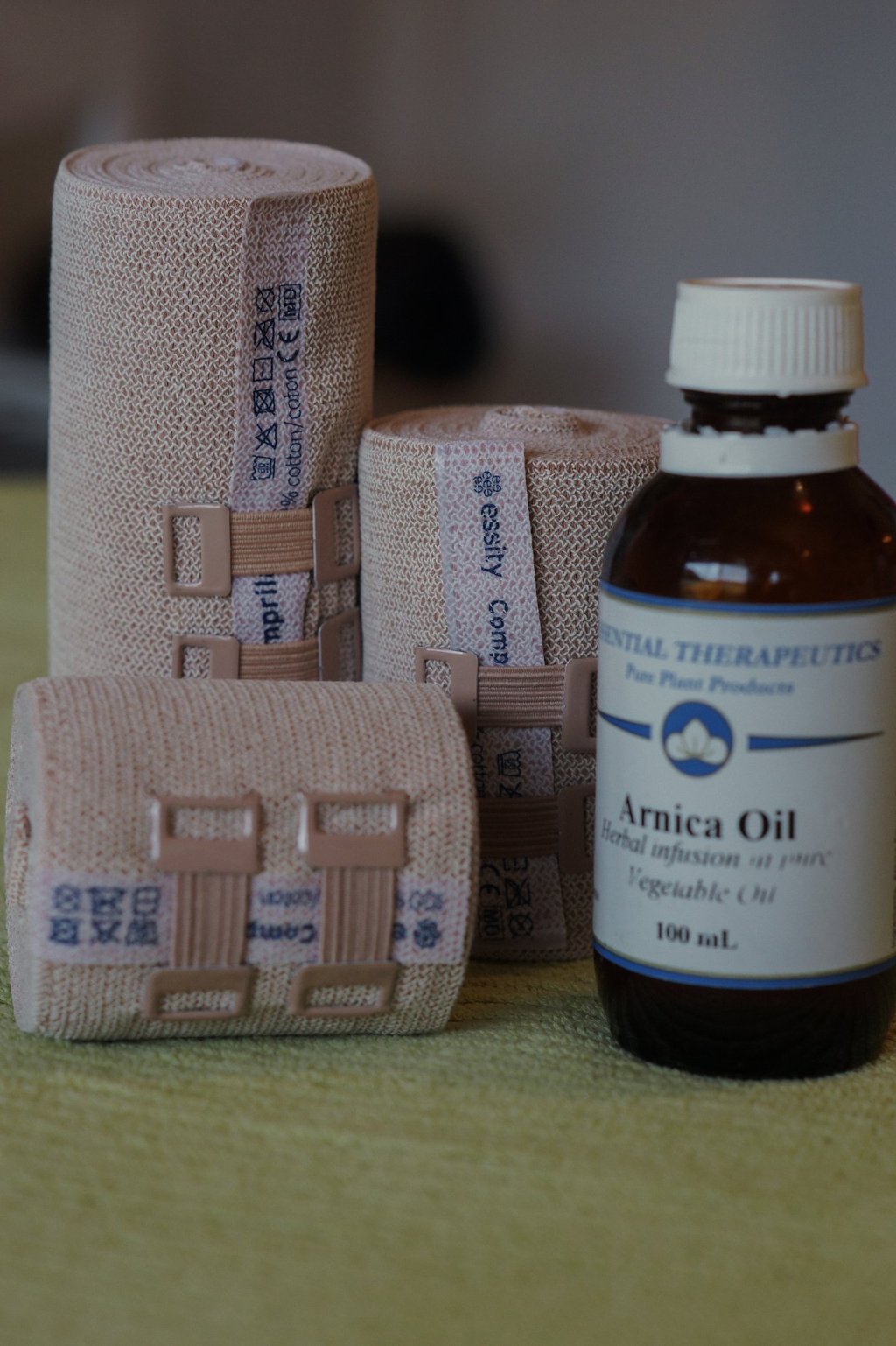
Compression bandaging is a specialised therapy used to help reduce limb swelling and soften firm or fibrotic tissue in conditions such as lymphoedema and chronic oedema.
This technique involves the application of layered, low-stretch (short-stretch) bandages to the affected limb. The bandages create a gentle working pressure when the muscles are moving, which helps to:
Encourage the movement of fluid out of the limb
Support lymphatic and venous flow
Reduce limb volume
Soften hardened or fibrotic tissues
Improve the effectiveness of other therapies such as Manual Lymphatic Drainage
What to Expect Bandages are typically worn for extended periods (such as overnight or over several days), depending on your treatment plan. They are applied in a way that is:
Supportive but comfortable
Safe for your skin and circulation
Tailored to your individual limb shape and condition
You may also be guided on movement and simple exercises while bandaged, as muscle activity helps enhance the effectiveness of the treatment.
Why Professional Application Matters Compression bandaging is a highly skilled clinical technique. Correct application is essential to ensure:
Appropriate pressure and gradient
Even distribution across the limb
Protection of vulnerable areas
Safety and comfort
Bandaging that is too tight, uneven, or incorrectly applied can be ineffective or potentially harmful. For this reason, it should always be performed by a trained lymphoedema therapist.
Scar Tissue Therapy
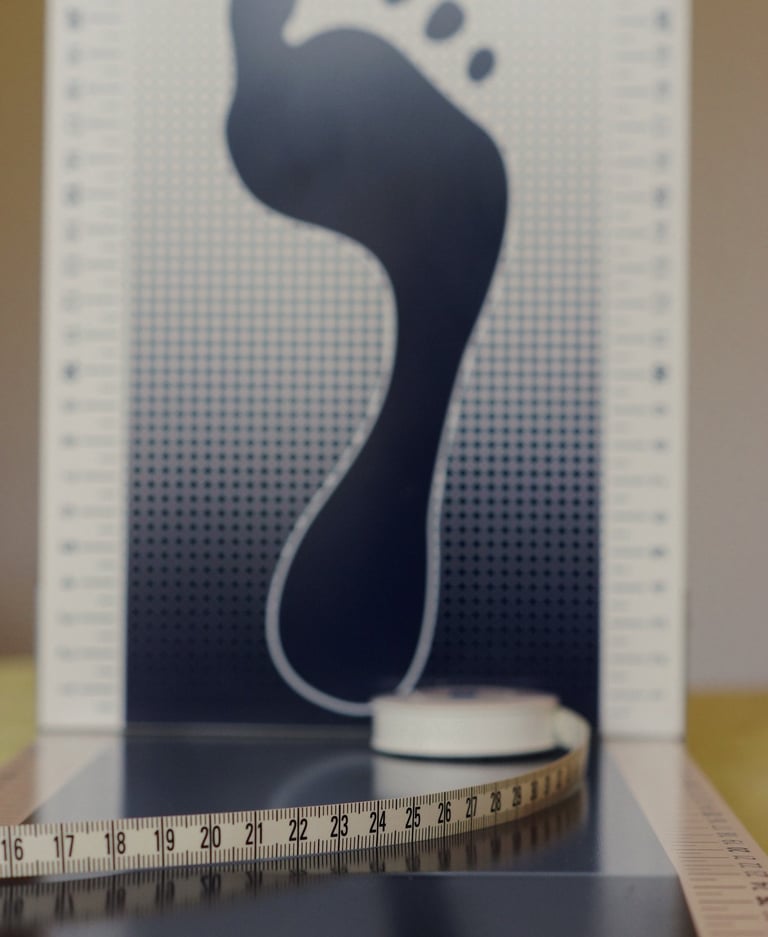
Scar tissue therapy is delivered by a qualified therapist and is a series of manual techniques to assist with the mobilisation and stretching of the scar which is effective on the surface and to the deepest scar layer. Scar tissue therapy results in the softening and flattening of scars, improving flexibility of the tissue and reducing redness and discomfort.
Myofascial Cupping
Cupping in Remedial Therapies
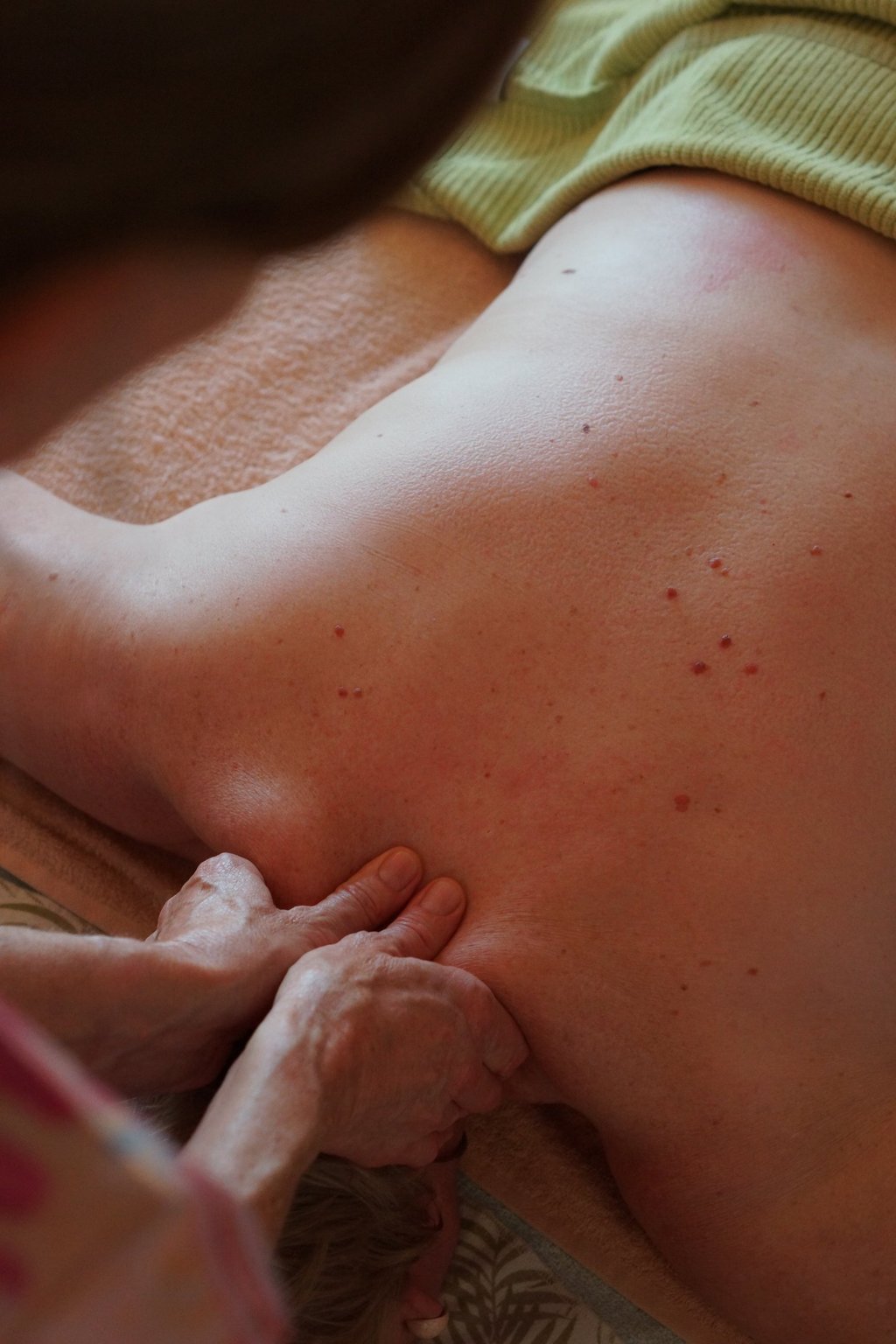
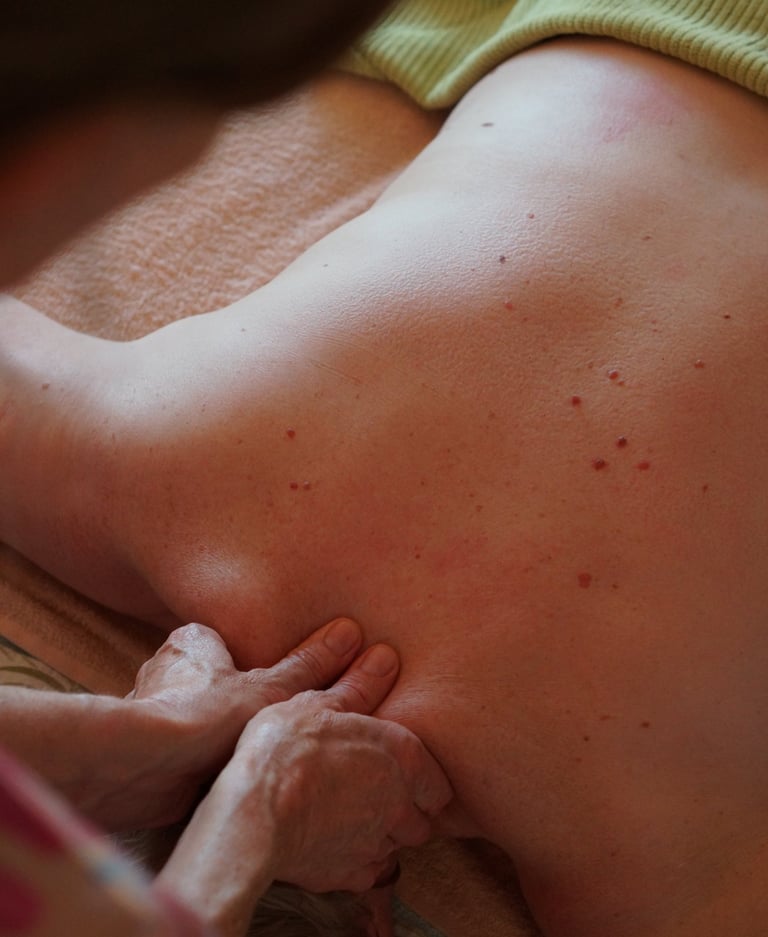
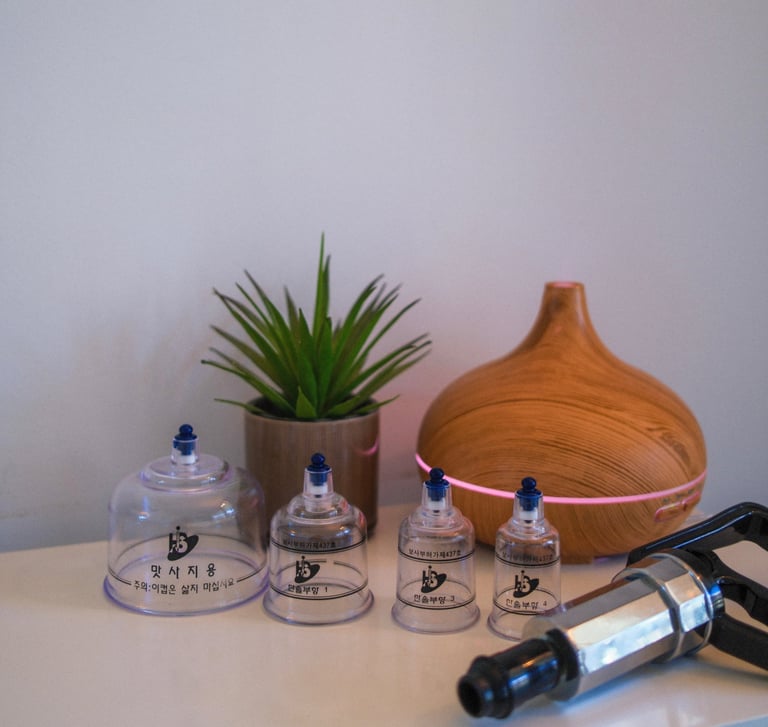
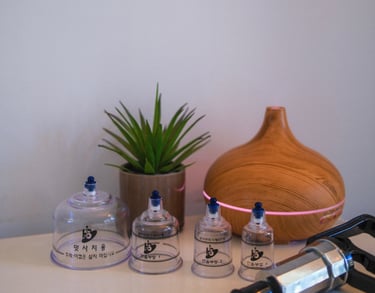
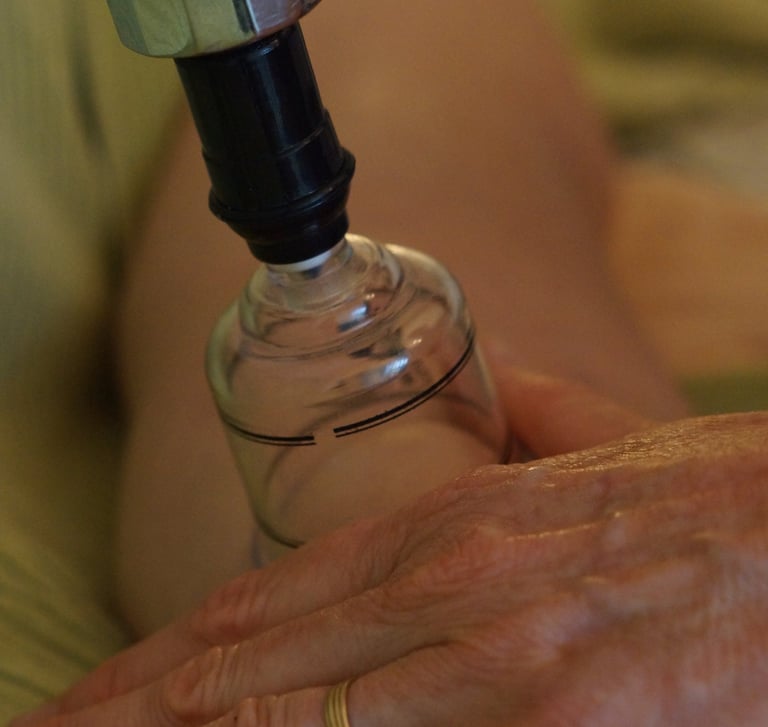
Modern myofascial cupping is a soft-tissue therapy that uses silicone or plastic cups (using a special balm as lubricant) to create suction (negative pressure), lifting and stretching fascia around the muscle tissues, rather than compressing it like traditional massage. Fascia is like a plastic wrap that covers all the soft tissues and bones of the body. When the body endures chronic tension or scarring, the fascia becomes taut and the wrapping becomes tight and fixated, preventing easy glide and contraction of muscles and reducing mobility of joints. Cupping enhances blood flow to the areas treated, relieves chronic tightness of the fascial tissue, reduces tight restrictions, and improves body motion and flexibility through both gliding or stationary techniques.
Cupping in Lymphoedema Therapy
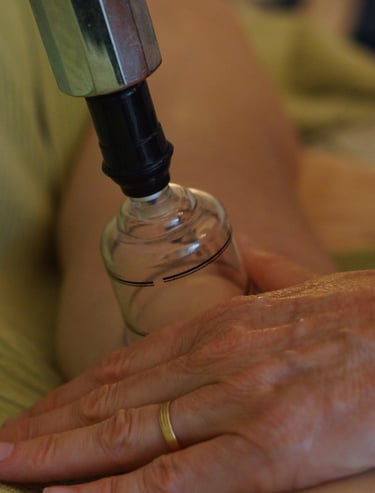
Dynamic cupping in lymphoedema clients is a gentle technique that uses soft suction and smooth gliding movements across the skin. This lifting effect helps improve circulation, encourages the movement of fluid through the tissues, and supports the body’s natural lymphatic drainage.
Cupping can be particularly helpful for areas where tissues feel tight, congested, or firm. By gently lifting and mobilising the skin and underlying tissues, it may help soften fibrotic areas, reduce tissue tightness, and improve tissue mobility.
Cupping is also beneficial in the management of scar tissue. Cupping helps to gently lift and loosen scar adhesions, improving flexibility of the surrounding tissue and helping scars feel softer and more comfortable over time.
This technique is often used alongside other therapies to support healthy tissue function and promote comfort and mobility.
Contact
Reach out for support or to book your session.
Phone
admin@lipolymphflow.com.au
+61 407 916 666
© 2025. All rights reserved.
address
37 Lake Road, Port Macquarie, 2444